
Processor
21 products found
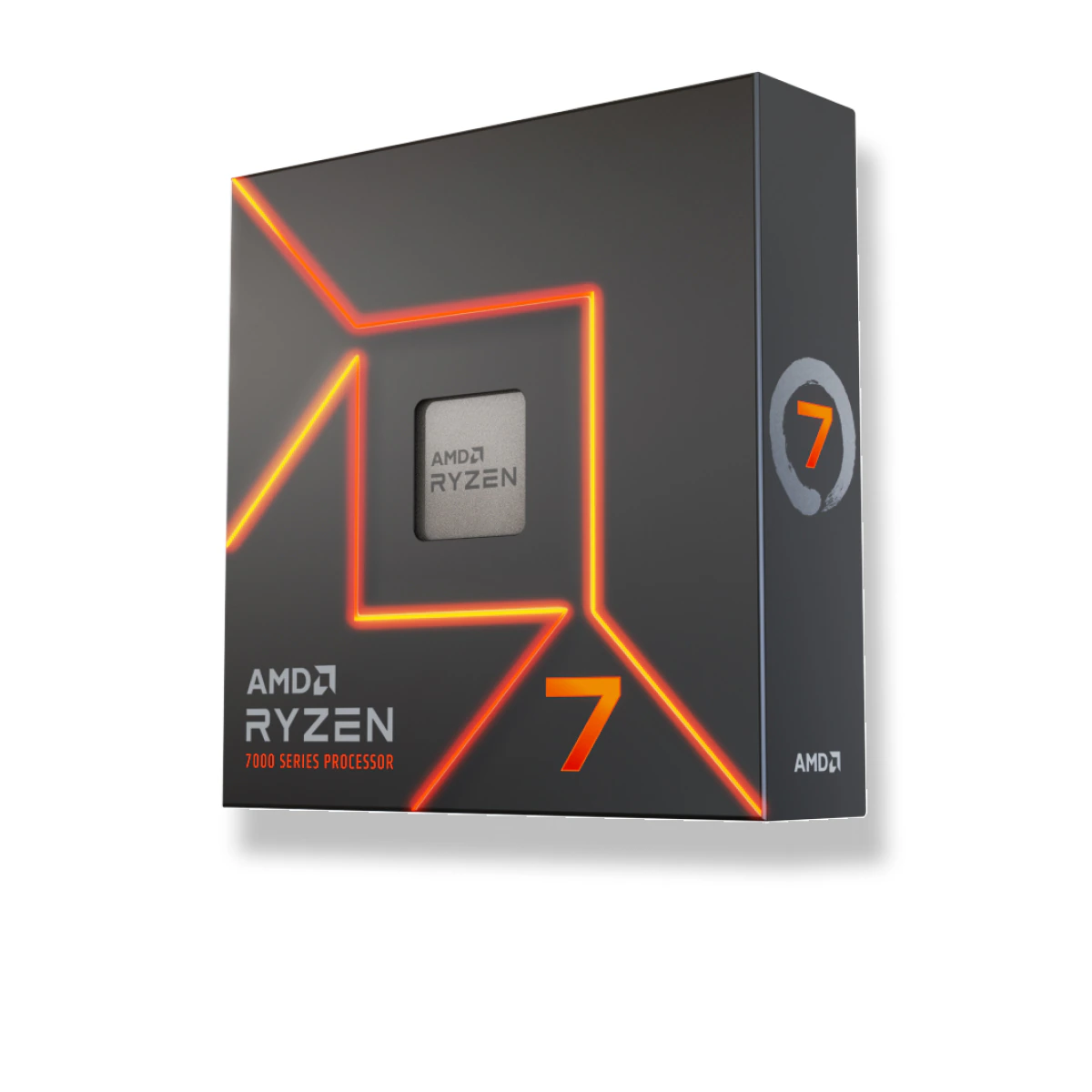
Ryzen 7 7700x
Overview
The Ryzen 7 7700x is a precision-engineered solution built to deliver high performance, stability, and durability for demanding workloads.
Key Technical Specifications
- Built specifically: Built specifically for the Processor ecosystem
- Constructed using: Constructed using high-grade components for extended reliability and thermal stability
- Engineered to: Engineered to meet rigorous industry standards for performance and compatibility
- Seamless integration: Seamless integration with existing PC setups and desktop configurations
Practical Applications & Performance
Everyday computing, high-performance tasks, gaming setups, and professional workstations.
Who It's Built For
Ideal for enthusiasts, gamers, and computing professionals who demand uncompromising performance, rock-solid stability, and premium build quality.
R 4,800.00

Intel Core i5-4670K Processor (6M Cache, up to 3.80 GHz) - LGA1150
R 300.00

AMD Ryzen 3 4300GE
R 700.00
AMD Ryzen 7 7700
R 4,500.00

I3-8300
R 400.00

AMD Ryzen 9 7900 12-Core, 24-Thread AM5 Processor
R 6,000.00

i5-4660
R 450.00
Ryzen 7 7800X3D
R 7,000.00

Intel Core i5-10400 10th Gen 6-Core 12-Thread LGA1200 Processor
R 1,300.00
i7-7700k
R 1,000.00

I7 9700
R 1,500.00

Ryzen 5 7600
Overview
The AMD Ryzen 5 7600 is a Zen 4 desktop processor on the AM5 platform with 6 cores and 12 threads. Built on TSMC's 5nm node, it runs at a 3.8GHz base clock and can boost up to 5.1GHz, offering excellent single‑thread performance and modern platform features like DDR5 memory and PCIe 5.0 connectivity.
Technical details & real‑world performance
Zen 4 brings a healthy IPC uplift over Zen 3 and the Ryzen 5 7600 pairs that improved efficiency with high boost clocks. The chip has 6MB of L2 cache (1MB per core) plus 32MB of shared L3 cache (38MB total cache), and a 65W TDP that keeps thermals reasonable in compact builds. On gaming workloads the 7600's strong single‑core speeds translate into high frame rates at 1080p and very competitive results at 1440p when paired with a mid‑range GPU. In multi‑threaded tasks it performs well for everyday content creation, light video editing and streaming, though heavy 8+ core rendering jobs will be faster on higher core‑count CPUs.
Platform features
The Ryzen 5 7600 uses the AM5 LGA1718 socket, supporting DDR5 memory (officially DDR5‑5200) and PCIe 5.0 lanes for next‑gen GPUs and NVMe storage. Many Ryzen 7000 series desktop CPUs include basic integrated RDNA2 graphics for display output and light GPU‑accelerated tasks, so you can boot to a desktop without a discrete card for troubleshooting or office use.
Specs summary
- Model: AMD Ryzen 5 7600 (Zen 4)
- Cores / Threads: 6 cores / 12 threads
- Clocks: 3.8 GHz base, up to 5.1 GHz boost
- Cache: 6 MB L2 + 32 MB L3 (38 MB total)
- Process: TSMC 5nm (Zen 4)
- TDP: 65W
- Socket: AM5 (LGA1718)
- Memory: DDR5 support (officially DDR5‑5200, dual channel)
- I/O: PCIe 5.0 support (for GPU / NVMe lanes)
- Integrated graphics: Basic RDNA2 (display output / light graphics tasks)
Practical use cases
Gaming: Ideal for 1080p high/ultra settings and good for 1440p gaming when paired with a suitable GPU (e.g. RTX 3060/4060 class or better). The strong single‑thread performance helps minimise CPU bottlenecks in frame‑rate sensitive titles.
Productivity & content creation: Excellent for office work, software development, photo editing and light to moderate 1080p/4K video editing. The 6 cores are capable, but professionals doing heavy multi‑core rendering, large encode jobs or complex simulations will see benefits from higher core‑count CPUs.
Who the Ryzen 5 7600 is best suited for
The Ryzen 5 7600 is perfect for South African gamers and DIY builders who want a modern AM5 platform with strong single‑thread performance, efficient power draw and DDR5/PCIe 5.0 support — all without stepping up to a higher wattage, higher price part. It's also a great fit for everyday creators and power users who do photo editing, streaming and light video work but don’t need the multi‑thread muscle of 8+ core CPUs.
R 3,000.00

Ryzen 7 9700X
Overview
The AMD "Ryzen 7 9700" label denotes a Ryzen 7–class desktop processor. While this specific SKU is not widely documented, Ryzen 7 chips are traditionally 8‑core / 16‑thread CPUs that deliver a balance of high single‑thread clocks and solid multi‑core throughput—ideal for gaming, streaming and creative work.
Architecture & performance expectations
Ryzen 7 processors historically use AMD's Zen microarchitectures and combine 8 physical cores with SMT to present 16 threads to the operating system. Typical boost clocks for modern Ryzen 7 desktop parts sit in the ~4.0–5.0 GHz range (generation dependent) with base clocks commonly between ~3.0–3.8 GHz. That combination provides excellent single‑thread responsiveness (important for high frame rates) and strong multi‑core performance for tasks like video encoding and compiling.
Real‑world use cases
In practical terms a Ryzen 7‑class CPU like the 9700 is well suited to:
- 1440p gaming when paired with a mid‑to‑high tier GPU (e.g. RTX 3060 Ti / RTX 4070 class), offering high frame rates at high settings and very good CPU headroom for streaming while gaming.
- Content creation workloads — multi‑threaded apps such as Premiere Pro, DaVinci Resolve and HandBrake will benefit from the 8C/16T configuration for faster exports and timeline scrubbing (GPU acceleration still important for many codecs).
- Productivity and multitasking — heavy browser usage, office suites, virtual machines and software development compile tasks run smoothly thanks to the multi‑threaded headroom.
Specs summary
- Model: AMD Ryzen 7 9700 (Ryzen 7–class CPU)
- Cores / Threads: 8 cores, 16 threads (typical for Ryzen 7 family)
- Clocks: Boost clocks commonly in the ~4.0–5.0 GHz range depending on generation; base clocks vary by SKU
- Socket / TDP: Socket and TDP depend on generation (AM4 or AM5; typical TDP range 65W–105W)
- Memory: Supports DDR4 or DDR5 depending on platform (generation dependent)
Who this is ideal for
The Ryzen 7 9700 is best for PC gamers who want high frame rates at 1080p and 1440p while streaming, content creators who need strong multi‑core performance for video editing and export, and power users who run multitasking, development or light virtualization workloads. If you value a balanced CPU that pairs well with mid‑to‑high end GPUs and fast memory, a Ryzen 7–class processor is a solid choice.
R 5,500.00

Ryzen 5 5500 (New)
Overview
The AMD Ryzen 5 5500 is a 6-core, 12-thread desktop processor built on AMD's Zen 3 design lineage for AM4 motherboards. It runs at a 3.6GHz base clock with boost frequencies up to around 4.2GHz, features 16MB of L3 cache (3MB L2 + 16MB L3 = 19MB total cache), and carries a 65W TDP. This "new" SKU delivers the single-threaded responsiveness and IPC improvements Zen 3 is known for while remaining a value-focused choice for mainstream builds.
Performance and Architecture
While not the top-tier 5000-series chip, the 5500 benefits from Zen 3's ~19% IPC uplift over Zen 2, which translates to stronger single-thread performance in games and snappier desktop responsiveness. With 6 cores/12 threads it handles multitasking, streaming, and productivity workloads well — expect gaming performance on par with previous-generation Ryzen 5 CPUs and close to the entry 5600 class in many real-world titles. It supports Precision Boost and Precision Boost Overdrive for automatic frequency scaling and modest overclocking headroom on quality AM4 motherboards.
Practical Use Cases
The Ryzen 5 5500 is ideal for 1080p gaming paired with a mid-range GPU — you'll get high framerates in esports and most AAA titles at high settings. For content creators it offers fast timeline performance for 1080p and light 4K video editing and decent export times for H.264/H.265 encode tasks thanks to 6 cores/12 threads. It's also an excellent choice for home office, software development, and general multitasking where responsiveness and efficiency matter without breaking the budget.
Specifications
- CPU: AMD Ryzen 5 5500
- Cores / Threads: 6 cores / 12 threads
- Clocks: 3.6GHz base, up to ~4.2GHz boost
- Cache: 3MB L2 + 16MB L3 (19MB total)
- TDP: 65W
- Socket: AM4
- Memory Support: DDR4 up to 3200MHz (official)
- Platform Features: Zen 3 architecture, Precision Boost / PBO, PCIe 4.0 support on compatible motherboards
- Graphics: No integrated GPU (discrete GPU required)
Who this is best suited for
The Ryzen 5 5500 is best for mainstream gamers building a cost-effective 1080p rig, creators doing light-to-moderate video/photo editing, and users who want a responsive, energy-efficient AM4 CPU for everyday productivity and multitasking. It suits buyers who prioritise value-per-core and strong single-thread performance without needing the higher core counts of prosumer chips.
R 2,000.00
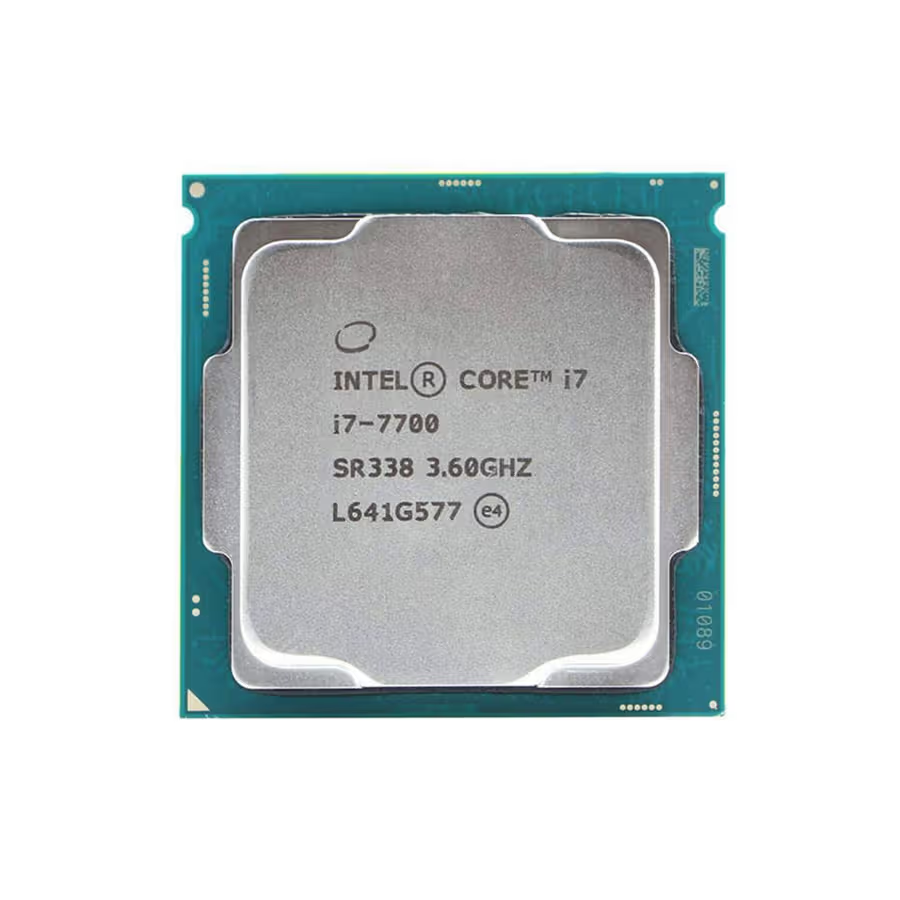
i7 7700
Overview
The Intel Core i7-7700 is a 7th-generation Kaby Lake desktop processor with 4 physical cores and 8 threads, a 3.6 GHz base clock and up to 4.2 GHz Turbo Boost. Built on Intel's refined 14nm+ process, it offers excellent single-threaded performance for gaming and day-to-day desktop tasks while keeping a conservative 65W TDP.
Technical details & real-world performance
The i7-7700 ships with 8 MB of Intel Smart Cache, supports DDR4 memory (officially DDR4-2133), and uses the LGA1151 socket compatible with 100/200-series motherboards (Z270, H270, B250, etc.). It provides 16 PCIe 3.0 lanes from the CPU and includes integrated Intel HD Graphics 630 with Intel Quick Sync and Kaby Lake's hardware HEVC / VP9 decode — useful for smooth 4K video playback and fast Quick Sync accelerated transcodes on supported software.
Because it concentrates on strong single-core IPC and high turbo clocks (4.2 GHz max), the i7-7700 behaves very well in CPU-bound 1080p gaming and general responsiveness. Multithreaded workloads like heavy 4K video rendering or large multi-threaded compilations will be slower than modern 6- or 8-core CPUs, but the 4 cores/8 threads still provide respectable performance for light to moderate content creation.
Practical use cases
- Gaming: Excellent for 1080p gaming when paired with a mid-to-high GPU — high frame rates in many titles thanks to strong single-core speed.
- Media & streaming: Integrated HD 630 handles desktop video and 4K hardware decode; Quick Sync speeds up video transcodes. Streaming while gaming is possible but may be limited compared to newer higher-core-count CPUs.
- Productivity & office: Snappy performance for office apps, web browsing, photo editing and light multitasking.
- Content creation: Good for editing 1080p video and photo workflows; for sustained heavy 4K timelines or long render farms, more cores will deliver faster throughput.
Specifications summary
- Model: Intel Core i7-7700 (Kaby Lake)
- Cores / Threads: 4 / 8
- Base / Turbo: 3.6 GHz / up to 4.2 GHz Turbo Boost
- Cache: 8 MB Intel Smart Cache
- TDP: 65 W
- Socket: LGA1151 (100/200-series motherboard support)
- Memory: DDR4 (officially DDR4-2133)
- Integrated GPU: Intel HD Graphics 630 (Quick Sync, HEVC/VP9 hardware decode)
- PCIe: 16 lanes PCIe 3.0 from CPU
- Multiplier: Locked (non-K part) — limited overclocking potential
Who this processor is best suited for
The i7-7700 is ideal for users who want strong single-threaded performance: competitive 1080p gamers paired with a dedicated GPU, power users who do office work, photo editing and light video editing, or anyone building a responsive desktop on LGA1151 hardware. It’s less suitable for heavy, professional-scale multi-threaded workloads where modern 6+ core CPUs offer significantly faster render and encode times.
R 1,000.00

i7 8700K
Overview
The Intel Core i7-8700K is a Coffee Lake desktop CPU with 6 cores and 12 threads, a 3.7 GHz base clock and up to 4.7 GHz Turbo Boost. Built on Intel's 14nm Coffee Lake process, the 8700K ships with an unlocked multiplier for overclocking and includes Intel UHD Graphics 630 for basic display and Quick Sync video acceleration.
Performance & technical details
The i7-8700K features 6 physical cores / 12 logical threads, 12 MB of Intel Smart Cache and a 95W TDP. It excels at single-threaded workloads thanks to high turbo clocks (4.7 GHz on a single core) which translates to strong gaming performance and fast application responsiveness. Official memory support is DDR4-2666, and the chip fits LGA1151 motherboards from the 300-series (Z370/Z390 for overclocking). While it’s now a few generations old, its IPC and turbo behaviour keep it competitive for high-FPS 1080p gaming and general productivity.
Practical use cases
Gaming: the i7-8700K remains a great choice for 1080p high-refresh gaming when paired with a capable GPU — it will commonly be the CPU bottleneck only in extremely high-FPS or poorly optimised titles. At 1440p the GPU usually becomes the limiting factor, so the 8700K still performs well. Content creation: 6 cores/12 threads provide solid performance for photo editing, Premiere timelines and moderate 4K video edits; hardware Quick Sync accelerates H.264/H.265 encoding which is useful for streaming and quick exports. Overclocking: because the 8700K is unlocked, you can push higher clocks on a Z370/Z390 board, but expect higher power draw and thermals — a quality cooler is recommended for stable sustained boosts.
Specs summary
- Model: Intel Core i7-8700K (Coffee Lake)
- Cores / Threads: 6 / 12
- Base / Turbo: 3.7 GHz base, up to 4.7 GHz Turbo Boost
- Cache: 12 MB Intel Smart Cache
- Process: 14nm (Coffee Lake)
- TDP: 95W (stock)
- Integrated GPU: Intel UHD Graphics 630 (Quick Sync support)
- Socket / Chipset: LGA1151 (300-series motherboards; Z370/Z390 for overclocking)
- Memory: DDR4-2666 official support
- Multiplier: Unlocked for overclocking
Who this processor is ideal for
The i7-8700K is ideal for gamers who want high single-core performance and overclocking headroom for 1080p high-FPS builds, streamers who benefit from Quick Sync accelerated encoding, and content creators who need strong day-to-day editing performance without moving to pricier 8+ core CPUs. It’s a solid choice for mid-to-high-end systems where price-to-performance and single-thread speed matter.
R 1,200.00

i5-12400
Overview
The i5-12400 is a precision-engineered solution built to deliver high performance, stability, and durability for demanding workloads.
Key Technical Specifications
- Built specifically: Built specifically for the Processor ecosystem
- Constructed using: Constructed using high-grade components for extended reliability and thermal stability
- Engineered to: Engineered to meet rigorous industry standards for performance and compatibility
- Seamless integration: Seamless integration with existing PC setups and desktop configurations
Practical Applications & Performance
Everyday computing, high-performance tasks, gaming setups, and professional workstations.
Who It's Built For
Ideal for enthusiasts, gamers, and computing professionals who demand uncompromising performance, rock-solid stability, and premium build quality.
R 1,800.00

Intel® Core™ i7-8700 Processor
Overview
The Intel Core i7-8700 is an 8th-generation Coffee Lake desktop processor with 6 physical cores and 12 threads. It runs at a base clock of 3.2 GHz and uses Intel Turbo Boost up to 4.6 GHz on light loads, backed by 12MB of SmartCache. Built on Intel's 14nm++ process, the i7-8700 brings a notable uplift in multi-threaded performance over previous 4-core i7s while keeping a 65W TDP.
Performance and real-world use
With 6 cores and Hyper-Threading, the i7-8700 delivers strong single-threaded performance for games and snappy desktop responsiveness, while its multi-threaded capacity makes it a capable workhorse for content creation. Expect excellent 1080p gaming performance when paired with a modern discrete GPU — the CPU rarely bottlenecks at 1080p and becomes GPU-limited at most 1440p/4K gaming scenarios. For video editing and encoding, the 6 cores handle 1080p and light 4K timelines well; Intel Quick Sync on the integrated UHD Graphics 630 also accelerates fast transcodes when needed.
Platform & compatibility notes
The i7-8700 fits LGA1151 (300-series chipset) motherboards and supports dual-channel DDR4 memory up to DDR4-2666 natively. It provides 16 PCIe 3.0 lanes for a discrete GPU and supports Intel features such as Turbo Boost 2.0, Hyper-Threading, and Intel Optane Memory (with a compatible board) for responsive storage. The integrated UHD 630 GPU is suitable for basic display output, light multimedia and Quick Sync accelerated tasks, but gamers should pair the CPU with a dedicated GPU for serious gaming.
Specs summary
- Model: Intel Core i7-8700 (8th Gen Coffee Lake)
- Cores / Threads: 6 / 12
- Clocks: 3.2 GHz base, up to 4.6 GHz Turbo
- Cache: 12 MB Intel SmartCache
- TDP: 65 W
- Integrated GPU: Intel UHD Graphics 630 (with Quick Sync)
- Memory: Dual-channel DDR4 up to 2666 MHz
- Socket: LGA1151 (300-series chipset required)
- PCIe: 16 PCIe 3.0 lanes for discrete GPU
Who this CPU is best suited for
The i7-8700 is ideal for gamers building a strong 1080p gaming rig, creative users doing photo editing and moderate 4K video work, and general heavy multitaskers who want snappy performance without the power draw of higher-TDP chips. It suits builders upgrading 300-series systems and anyone who values strong single-core speed together with capable multi-core throughput.
R 1,000.00